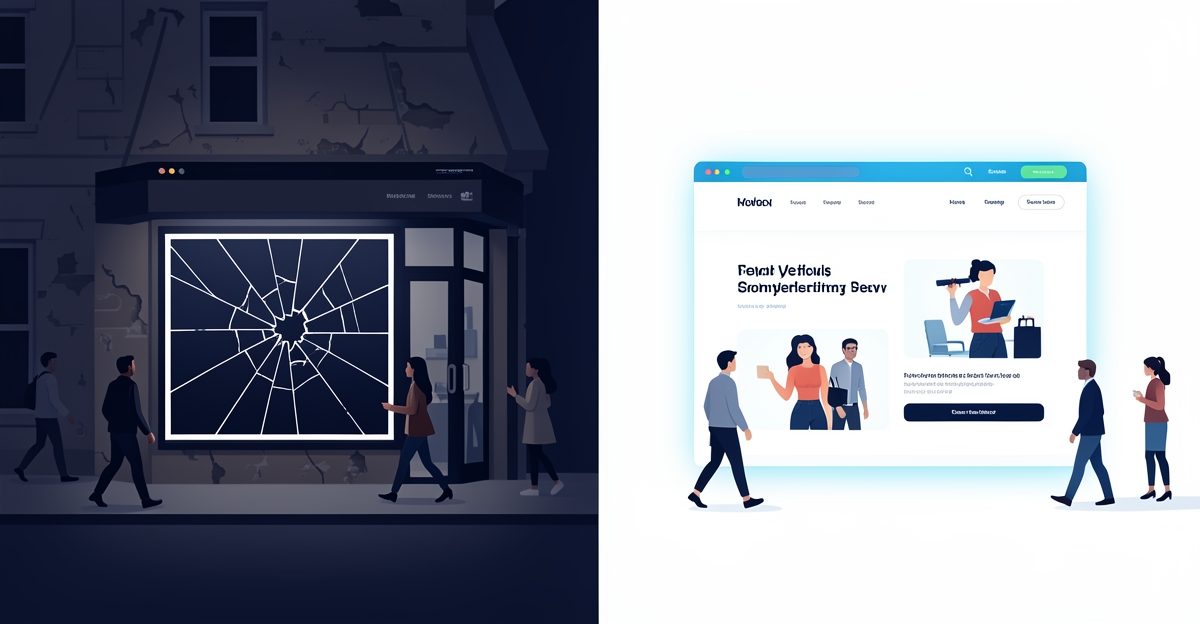
Why a Polished Website Attracts Higher-Paying Customers: The Fluid UI Advantage
A professionally designed website with fluid UI attracts premium customers who are willing to pay more for quality.
Why a Polished Website Attracts Higher-Paying Customers: The Fluid UI Advantage
Your website is making a statement about your prices before visitors even see them. Within seconds of landing on your site, potential customers are forming judgments about your quality, professionalism, and -- critically -- whether you're worth premium pricing.
We've seen this pattern repeatedly with our clients here in the Omaha area: businesses with polished, fluid websites consistently attract customers who are willing to pay more. It is not coincidence -- it's psychology at work, combined with smart design principles that create trust and perceived value.
The difference between a website that attracts bargain hunters and one that draws premium customers often comes down to one key factor: fluid user interface design. When your website feels smooth, responsive, and effortless to use, it signals quality at every touchpoint.
The Psychology Behind Premium Perception
When someone visits your website, their brain is making rapid-fire assessments. A clunky, outdated site with jerky scrolling and awkward transitions triggers the same mental response as walking into a discount store -- expectations of low prices and mediocre service.
Conversely, a website with fluid UI creates what psychologists call a "halo effect." Smooth animations, seamless page transitions, and responsive interactions suggest attention to detail, quality control, and professional standards. Visitors unconsciously transfer these positive impressions to your actual products or services.
Higher-paying customers specifically look for these quality signals:
- Smooth scrolling and transitions that feel natural and responsive
- Consistent design language across all pages and elements
- Fast, intuitive navigation that anticipates user needs
- Professional typography and spacing that is easy on the eyes
- Cohesive visual hierarchy that guides attention naturally
We worked with a local accounting firm whose old website looked like it was built in 2010. Despite offering sophisticated tax planning services, they kept attracting clients who wanted the cheapest possible tax prep. After redesigning with fluid UI principles -- smooth page transitions, responsive forms, and polished micro-interactions -- their average client value increased by 40% within six months.
What Makes UI Truly Fluid
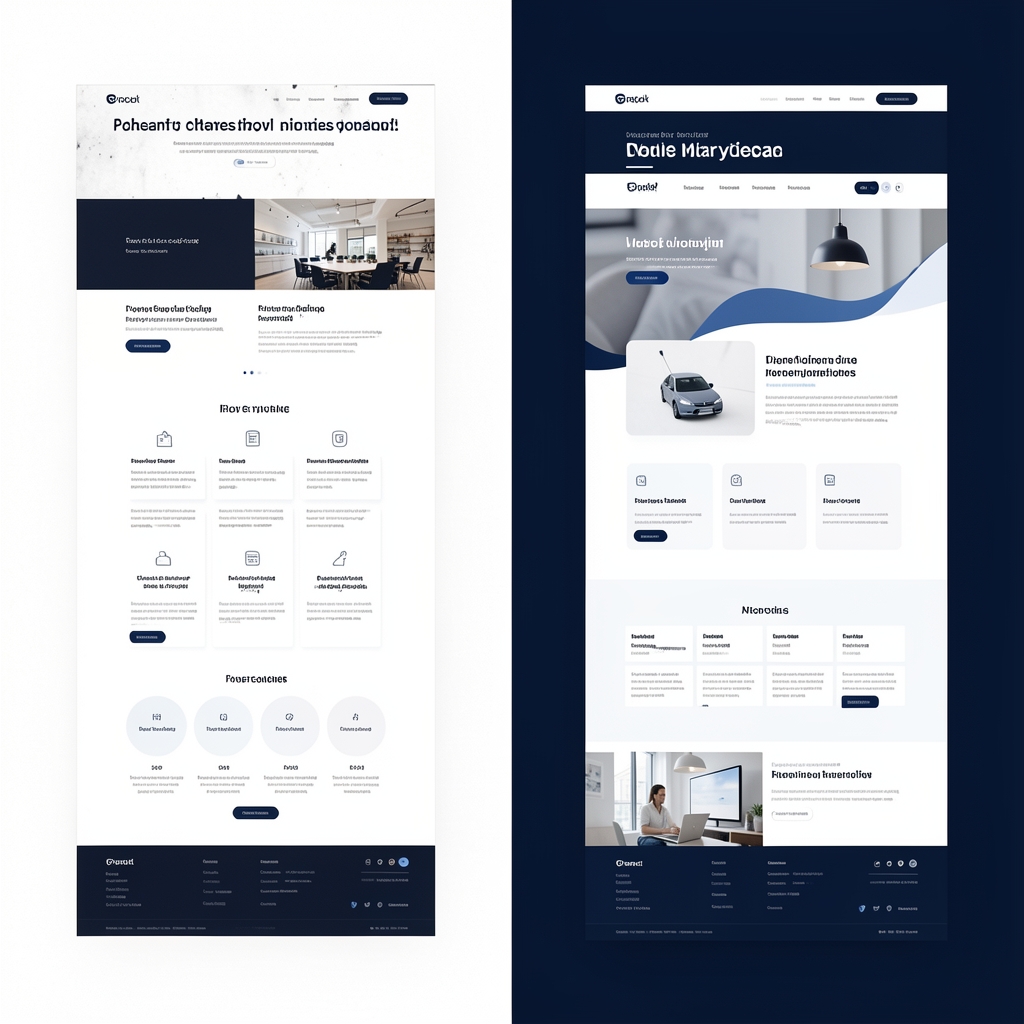
Fluid UI is not about flashy effects or unnecessary animations. It's about creating interfaces that feel natural and effortless, where every interaction flows logically into the next. Think of it as the digital equivalent of a luxury car -- you notice the smoothness, but the real value is in how it makes everything feel easier.
Key elements of fluid UI include:
- Micro-interactions that provide immediate feedback when users click or hover
- Progressive loading that keeps content flowing without jarring interruptions
- Contextual animations that guide users naturally through your conversion process
- Responsive design that adapts fluidly across all devices and screen sizes
- Intuitive form flows that anticipate user needs and minimize friction
The technical execution matters enormously. A button that takes half a second to respond to a click feels broken, even if it works. A form that jumps around as users fill it out creates frustration. These seemingly minor issues compound to create an overall impression of poor quality.
The Revenue Impact of Fluid Design
The financial impact of fluid UI extends beyond just attracting higher-paying customers -- though that alone can transform your business. Smooth, responsive websites also convert visitors at higher rates and create stronger customer relationships that lead to repeat business and referrals.
The measurable benefits we see include:
- 20-35% higher conversion rates from improved user experience
- Increased average order values as customers perceive higher quality
- Lower bounce rates because visitors stay engaged longer
- Better mobile performance leading to more leads and sales
- Improved customer lifetime value through enhanced brand perception
One of our clients, a local marketing consultant, saw immediate results after implementing fluid UI principles. Her contact form submissions increased by 28%, but more importantly, the quality of inquiries improved dramatically. Instead of fielding calls from startups looking for cheap help, she started hearing from established businesses with serious budgets.
The compound effect is significant. Premium customers tend to be more decisive, require less hand-holding, and refer other quality clients. They also provide better testimonials and case studies, which attract even more premium prospects.
Building Your Fluid UI Strategy
Creating truly fluid UI requires more than just modern design -- it demands understanding how your specific customers think and behave online. The interactions that feel natural to a tech startup's audience might feel overwhelming to traditional small business customers.
Start with these foundational elements:
- Audit your current user experience by recording actual user sessions
- Identify friction points where visitors hesitate or abandon their tasks
- Prioritize mobile responsiveness since most premium customers browse on phones
- Test loading speeds and optimize for sub-2-second page loads
- Implement consistent interaction patterns across your entire site
The goal is not to impress visitors with fancy effects, but to remove any barriers between them and the action you want them to take. Every click should feel inevitable, every page transition should feel natural, and every form should anticipate what users need.
Your website's UI quality directly impacts the caliber of customers you attract. While your competition fights over price-sensitive customers with outdated websites, you can attract the premium segment that values quality and pays accordingly.
Ready to see how fluid UI can transform your customer base? Let's talk about creating a website experience that attracts the clients you actually want to work with. Book a 15-minute consultation to discuss your specific goals and challenges.