What You Get
Performance Upgrades
Replace sluggish page loads with sub-second performance. Modern architecture means your site is fast on every device, every time.
Modern Technology Stack
Move off outdated platforms and page builders onto proven frameworks like Next.js and React — the same tech used by industry leaders.
Data Migration
Seamless transfer of your existing content, customer data, and business records. Nothing gets lost, everything gets organized.
Improved Security
Eliminate vulnerabilities from outdated plugins and unpatched systems. Modern infrastructure with built-in security best practices.
Better User Experience
Intuitive navigation, mobile-first design, and accessible interfaces that make customers want to stay and come back.
Future-Proof Architecture
Built on standards that scale with your business. No more replatforming every two years when your technology falls behind.
Our Process
Audit & Assessment
We analyze your current systems, website performance, security posture, and technology stack to identify what needs to change and what can stay.
Strategic Roadmap
We build a prioritized plan that balances quick wins with long-term improvements, so you see value fast without disrupting daily operations.
Incremental Migration
We modernize your systems piece by piece — migrating data, upgrading infrastructure, and replacing legacy code without taking anything offline.
Optimization & Support
After migration, we optimize performance, monitor for issues, and provide ongoing support to keep your modernized systems running at peak efficiency.
Frequently Asked Questions
- What does digital modernization actually mean for my business?
- Digital modernization means upgrading your outdated technology — slow websites, legacy software, manual processes — into fast, modern systems that work better for your team and your customers. It is not about ripping everything out and starting over; it is about strategically upgrading what matters most.
- How long does a modernization project take?
- It depends on the scope. A website modernization typically takes 4-8 weeks. Larger projects involving multiple legacy systems, data migration, and integrations can take 3-6 months. We use an incremental approach so you see improvements early and often, not just at the end.
- Will I lose my existing data during migration?
- No. Data preservation is a core part of every modernization project. We audit your existing data, create secure backups, map everything to the new system, and validate after migration. You will not lose a single record.
- Is digital modernization worth it for a small business?
- Absolutely. Small businesses often feel the pain of outdated technology the most — slow websites lose customers, manual processes waste hours, and old systems create security risks. Modernization pays for itself through faster operations, better customer experience, and reduced maintenance costs.
- Can you modernize my website without taking it offline?
- Yes. We use incremental migration strategies that keep your current site running while we build the modern replacement. The cutover happens quickly and is planned for minimal disruption — most businesses experience zero downtime.
- What technologies do you use for modernization?
- We build with modern frameworks like Next.js and React, deploy on fast edge networks like Cloudflare, and use AI-powered tools to accelerate the process. Every technology choice is made to give you speed, security, and a system that will not become outdated again in two years.
Latest Modernization Insights
Brand Management Is Not Optional: Why Small Businesses That Invest in Branding Win
Small businesses with strong brand management consistently outperform competitors and command higher prices.
Why a Polished Website Attracts Higher-Paying Customers: The Fluid UI Advantage
A professionally designed website with fluid UI attracts premium customers who are willing to pay more for quality.
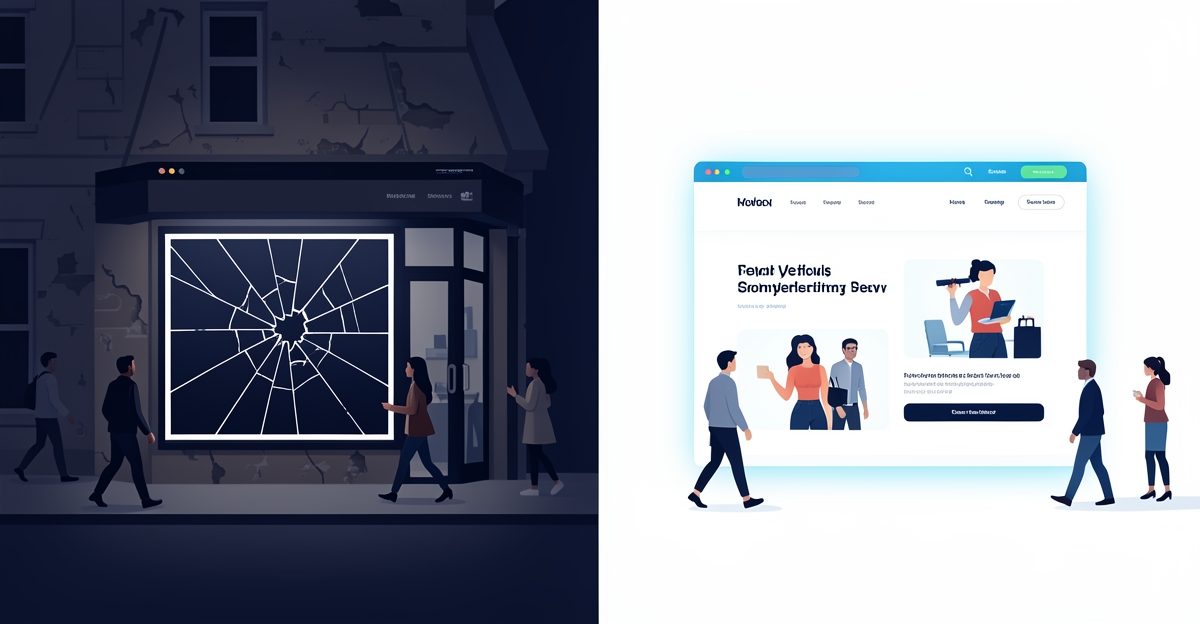
7 Signs Your Small Business Website Is Costing You Customers
Your website might be turning away potential customers without you realizing it. Here are seven warning signs and what to do about each one.